Як вибрати брекети - Поради від стоматологів
 Даніч Михайло Ігорович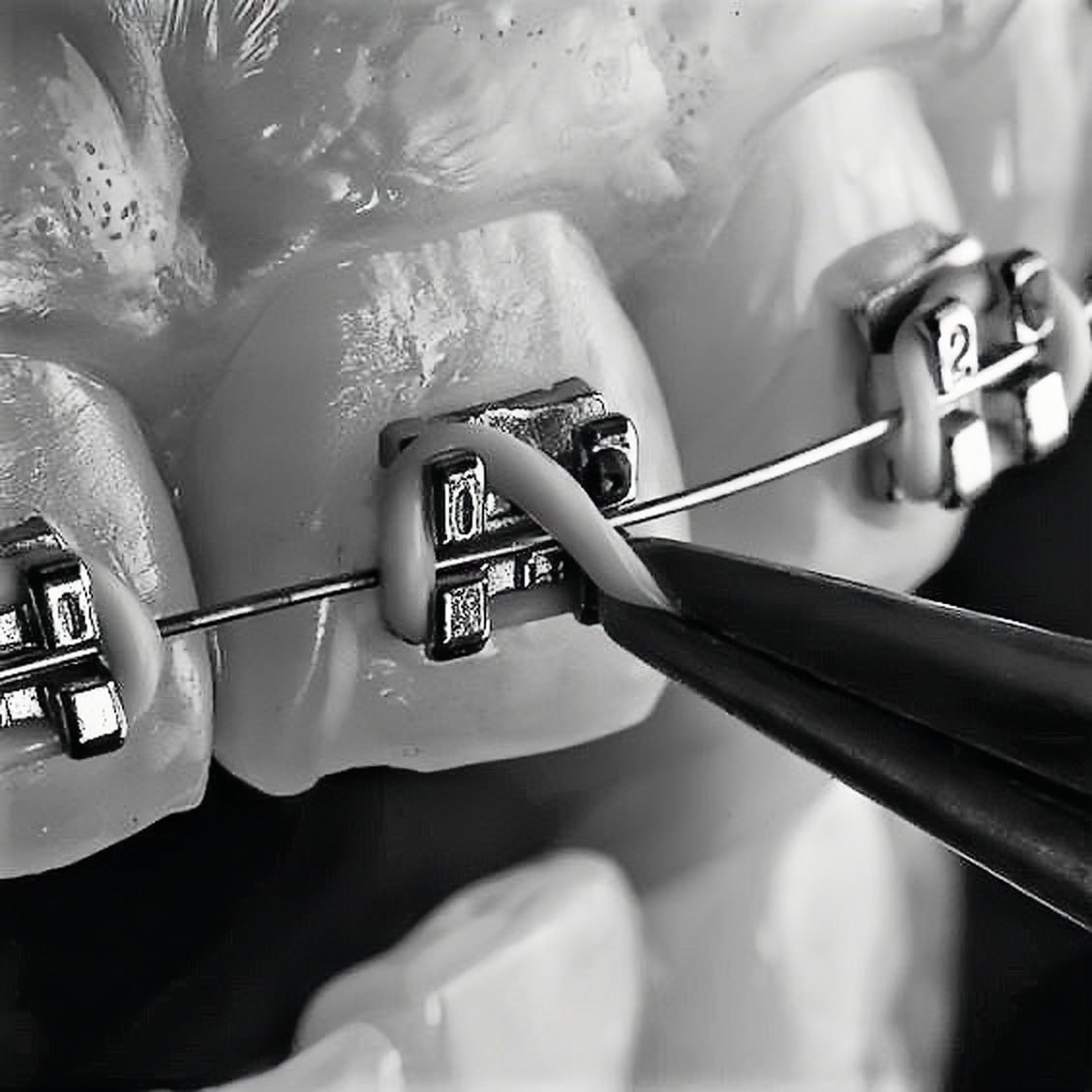
Сьогодні брекети стали одним з найбільш поширених способів вирівнювання зубів у дорослих. Це фіксовані конструкції, що допомагають скорегувати зубний ряд і вимагають постійного носіння. Брекет-системи виготовляються з різноманітних матеріалів, але мають схожу структуру: спочатку маленькі скобки приклеюються до кожного зуба за допомогою спеціального клею, а потім з'єднуються між собою дротом (дугою). Така система ефективно справляється з корекцією зубів навіть у найскладніших випадках.
Типи брекетів
Традиційні брекети
Традиційні брекети виготовляються з металу та скріплюються спеціальними резинками, колір яких може бути на вибір пацієнта. Вони відрізняються ефективністю, надійністю конструкції та довговічністю, втім через питання естетичності пацієнти часто відмовляються від класичного варіанту брекетів.
Керамічні брекети
Виготовлені з кераміки, такі брекети часто обирають дорослі пацієнти, адже їх зовнішній вигляд є більш естетичним, аніж у традиційних металевих брекет-системах. Завдяки керамічній основі скоб з’являється можливість підібрати їх колір під колір емалі, що робить такі брекети майже непомітними на зубах, хоча вони так само поєднуються металевою дугою. До того ж стоматологічна кераміка не фарбується харчовими барвниками. Недоліком керамічних брекетів є подовжений строк їх носіння порівняно з класичним варіантом.
Сапфірові брекети
Це один з найбільш естетичних варіантів ортодонтичного лікування, який має високий попит серед дорослих пацієнтів. Такі брекети виготовляються з монокристалу сапфіра, що робить їх майже невидимими на зубах. Завдяки прозорому матеріалу вони гармонійно поєднуються з природним кольором зубів, і незважаючи на свою візуальну крихкість - дуже міцні та ефективні.
Лінгвальні брекети
Чудовий варіант для пацієнтів, для яких естетичність понад усе: адже такі брекети кріпляться на внутрішню частину зубного ряду, забезпечуючи повну непомітність конструкції та естетичність посмішки. Лінгвальні брекети з’явилися відносно недавно, тому ще не здобули широкої популярності. Серед основних недоліків - висока вартість, обумовлена естетичністю конструкції та складністю її встановлення. До того ж доглядати за лінгвальними брекетами буде в рази складніше аніж за звичайними.
Фактори вибору брекетів
При виборі брекетів слід враховувати кілька важливих факторів.
-
Вік пацієнта: Для дітей та підлітків зазвичай підходять традиційні металеві брекети, тоді як дорослі частіше обирають естетичні варіанти - сапфірові чи керамічні.
-
Стан зубів та прикус: Рівень складності проблеми визначає тип системи, який буде найбільш ефективним - це вирішує ортодонт.
-
Алергії: Важливо враховувати можливі алергічні реакції на матеріали, з яких виготовлені брекети.
-
Стиль життя: Відповідно до ритму життя та професійних вимог, пацієнт може обрати менш помітні або зручніші системи, наприклад, сапфірові або лінгвальні брекети.
-
Індивідуальні вподобання: Деякі пацієнти надають перевагу певним матеріалам або дизайну брекетів через особисті естетичні вподобання або комфорт.
Консультація зі стоматологом
Основою будь-якого лікування є первинна консультація зі стоматологом. Щоб вона пройшла максимально ефективно варто підготуватися заздалегідь: сформулювати проблему, яка турбує, взяти з собою всю медичну документацію та попередні рентгенівські знімки зубів, підготувати запитання які ви хочете задати ортодонту. Найчастіше перед встановленням брекетів пацієнтів цікавить тривалість та вартість лікування, можливість ускладнень і підтримка гігієни брекетів. Лікар також розкаже про альтернативні способи лікування, які можуть вам підійти (наприклад, елайнери).
Висновок
Вибір брекетів залежить від багатьох факторів, включаючи вік, стан зубів пацієнта, його естетичні вподобання та фінансові можливості. Лікар-ортодонт порекомендує вам найкращий спосіб лікування, проте останнє слово залишається за пацієнтом.
Щоб зробити правильний вибір і отримати професійну пораду щодо брекет-систем, запишіться на консультацію до Dr. Danich вже сьогодні - зробіть перший крок до здорової та красивої усмішки!