Коли варто вести дитину до стоматолога вперше: поради батькам та досвід лікарів
 Даніч Михайло Ігорович
76% українських дітей мають карієс ще до того, як навчаться писати своє ім’я.
Це не перебільшення, а офіційна статистика. За даними дослідження Полтавського державного медичного університету, понад три чверті дітей віком від шести до одинадцяти років мають принаймні один уражений карієсом зуб. (Wiadomości Lekarskie, 2024)
Більшість потрапляють до стоматолога вже тоді, коли болить — не тоді, коли можна запобігти проблемі. Страх і біль швидко закарбовуються в пам’яті. Цьому передує поширений міф — «молочні все одно випадуть». Через нього профілактика перетворюється на лікування, а спокійний візит до лікаря — на дитячу травму.
Питання не в тому, чи потрібно вести дитину до дантиста, а в тому, коли йти до стоматолога і як зробити це правильно. Адже перший візит — це не лікування, а знайомство, яке формує довіру й ставлення до стоматології на все життя.
Перший візит: коли та навіщо?
Оптимальний час — після появи першого зуба або до року. Так, саме тоді.
Карієс не чекає: за даними ВООЗ, у 2024 році він залишається найпоширенішим неінфекційним захворюванням у світі, яким страждають понад 2,5 млрд людей (WHO Global Status Report on Oral Health 2022).
Під час першого огляду лікар:
-
оцінює стан ясен і перших зубів, перевіряє формування прикусу;
-
розказує про догляд за молочними зубами вдома та яку пасту обрати;
-
радить, як запобігти ранньому карієсу;
-
відповідає на запитання про харчування, соски, пляшечки.
Такий профілактичний огляд дитини триває 10–20 хвилин, але може запобігти рокам лікування. Ранній огляд — найкраща профілактика карієсу у дітей.
Поширені міфи, які заважають зробити правильний вибір
«Молочні лікувати не треба»
Карієс у молочних зубах поширюється швидше, ніж у постійних. У дослідженні 2024 року понад 79% дітей 6–7 років мали карієс саме в тимчасових зубах. Якщо його не лікувати, інфекція може пошкодити зачатки постійних зубів і вплинути на формування прикусу.
«Дитина боїться, підемо потім»
Страх не минає, а зростає. У клініках, що працюють за принципами сучасної дитячої стоматології, використовують ігрову адаптацію, короткі візити, мультики й техніки «розповісти-показати-зробити», які допомагають дитині звикнути без стресу.
«Ми самі навчимо чистити»
Ваш приклад — найкраща мотивація, але техніка має значення. А чи знаєте ви, скільки триває правильне чищення зубів? Дві хвилини.
Насправді ж, за даними Global School-based Student Health Survey, більшість дітей у світі чистять зуби лише раз на день або рідше, а середня тривалість процедури — близько 45 секунд.
Порада стоматологів: після трьох років дозвольте дитині чистити зуби самостійно, але обов’язково перевіряйте результат. До 7–8 років контроль дорослого залишається критично важливим, адже навіть найвідповідальніші діти часто «забувають» про задні зуби.
Як підготувати дитину до стоматолога: перший візит без страху
Перший візит до стоматолога — це не перевірка на сміливість. Більшість малюків відчувають страх перед стоматологом, і це природно. Головне — як саме реагують батьки. Правильна підготовка допоможе зробити перший досвід приємним.
Згідно з AAPD, батьки мають створити у дитини позитивне очікування. Візит має бути коротким, без болю, без примусу та із максимальним комфортом. Рекомендація AAPD: перший візит — не пізніше ніж через 6 місяців після появи першого зуба, але до 1 року життя.
Психологи додають: емоційний тон, який задають дорослі, напряму впливає на те, як дитина сприйме ситуацію. Дослідження BMC Oral Health (2024) підтверджує: спокій і впевненість батьків зменшують прояви страху у дітей під час стоматологічних процедур.
Як допомогти дитині сприйняти візит легко
-
Не лякайте: забороніть собі фрази на кшталт: «Якщо не будеш чистити — підеш до стоматолога» чи «Будеш вередувати — лікар зробить боляче». Такі вислови лише формують страх.
-
Пояснюйте просто: скажіть: «Підемо показати лікарю твої гарні зубки, щоб вони залишалися здоровими». Головне — без наголосу на лікуванні, лише на турботі.
-
Пограйте вдома: увімкніть фантазію: «полікуйте» зуби ляльці чи ведмедикові, покажіть, як лікар «світить ліхтариком» і «рахує зубчики».
-
Обирайте правильний час: найкращий час зранку, коли дитина відпочила й у гарному настрої. Після садка чи перед сном рівень втоми робить її вразливішою.
-
Не передавайте свого хвилювання: якщо ви нервуєте — дитина це відчує. Спокійна мама чи тато — найкраще заспокійливе.
Чого не варто робити
-
Не обіцяйте подарунків «за хорошу поведінку». Це створює враження, що лікар — це випробування, а не щось звичне.
-
Не брешіть: якщо лікування справді буде, не кажіть «нічого не робитимуть». Натомість поясніть чесно: «Лікар подивиться, а якщо треба — трошки почистить зубик, щоб він не болів».
-
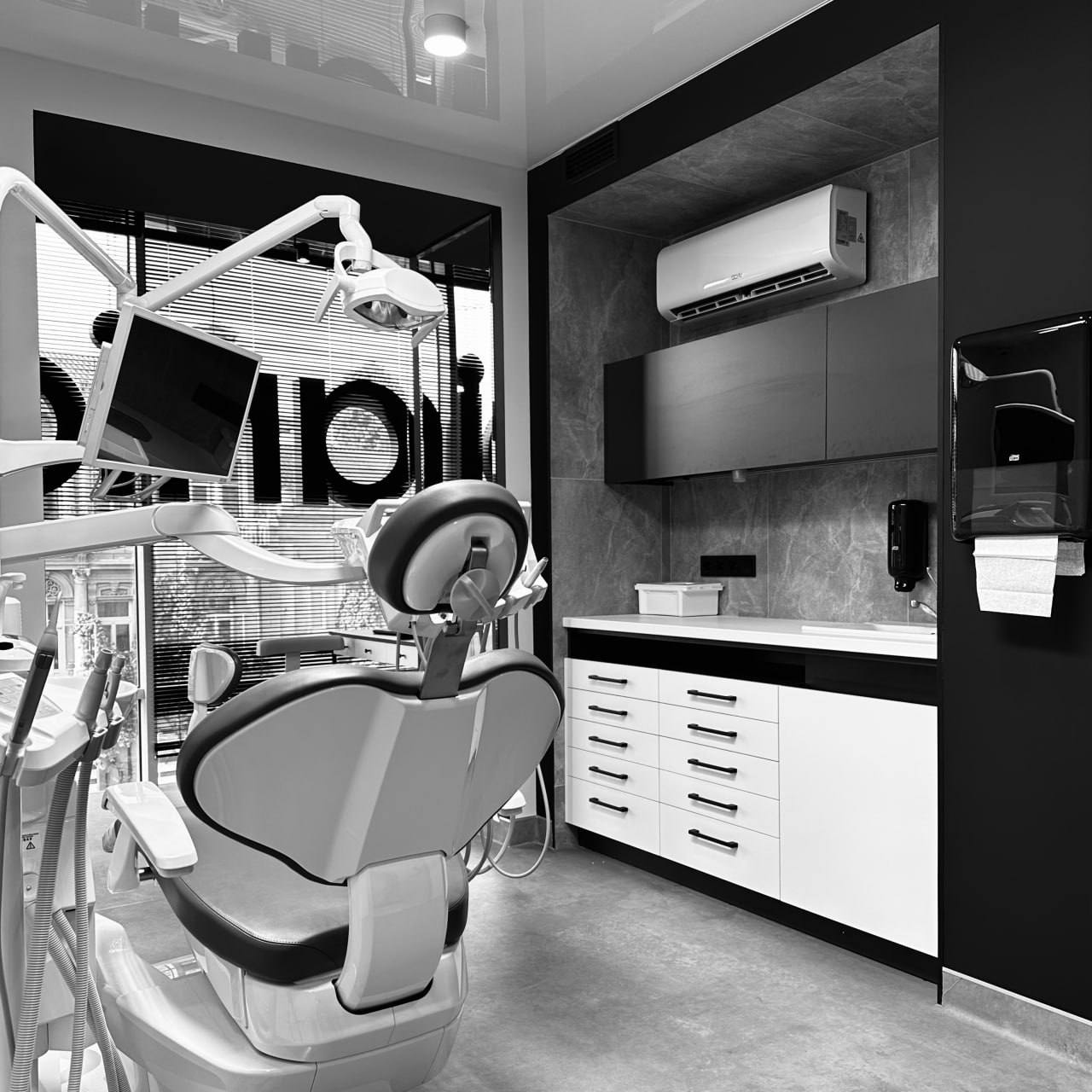
Не змушуйте сидіти силою. Дайте дитині час роздивитися кабінет, доторкнутися до крісла, запитати, що її цікавить.
Порада від стоматологів: найкраще приводити дитину на огляд не тоді, коли «болить», а коли вона спокійна й нічого не турбує. Саме тоді формується правильна емоційна асоціація: стоматолог — це не страх, а турбота.
Що робить дитячий стоматолог на першому прийомі
У перших оглядах акцент робиться не на лікуванні молочних зубів, а на профілактиці та знайомстві. Так дитина звикає до стоматологічного середовища без стресу, щоб дитина сприймала стоматолога як друга, а не як «лікаря з бормашиною».
Згідно з рекомендаціями Американської академії дитячої стоматології (AAPD), перший візит має відбутися не пізніше, ніж через шість місяців після прорізування першого зуба, але до досягнення дитиною одного року. Такий ранній контакт із лікарем допомагає запобігти карієсу, сформувати правильні звички та зменшити тривожність у подальшому житті (AAPD Policy on the Dental Home and the Age One Dental Visit, 2023–2024).
Знайомство, адаптація, легке спілкування
Перший візит нагадує гру. Лікар знайомиться з дитиною, розповідає, як працює крісло, дозволяє натиснути кнопки, потримати дзеркальце чи ліхтарик. Під час розмови використовуються прості, зрозумілі слова: замість «свердлити» — «почистимо зубик», замість «укол» — «чарівна крапля сну для зуба».
Такі прийоми — це частина методики, яку стоматологи називають “tell-show-do” (розкажи — покажи — зроби). Вона допомагає дитині зрозуміти, що відбувається, і зменшує страх перед невідомим. Згідно з дослідженнями ця техніка в поєднанні з ігровими елементами знижує рівень дитячої тривожності під час візиту на 40–60%.
Інструменти та безболісна діагностика
Сучасна дитяча стоматологія працює без «страшних звуків» і болю. Замість класичних металевих інструментів лікар може використовувати візуальні камери, 3D-сканери, лазерну діагностику або карієс-моніторинг — усе це безконтактні, безпечні методи, які допомагають виявити проблеми на ранніх стадіях (рекомендації WHO Global Status Report on Oral Health, 2022).
Для малюків такі інструменти нагадують щось цікаве — «камеру для усмішки» чи «чарівний ліхтарик». Завдяки цьому дитина не відчуває страху, а лікар отримує змогу провести повноцінну діагностику без дискомфорту.
Поради батькам щодо гігієни
Після огляду лікар завжди проводить коротку розмову з батьками. Це не формальність — це інструктаж, який допомагає уникнути більшості проблем.
Зазвичай стоматолог пояснює:
-
як доглядати за молочними зубами вдома;
-
яку зубну пасту обрати відповідно до віку;
-
як правильно контролювати чищення, не викликаючи спротиву у дитини;
-
що робити, якщо з’явилися плями чи чутливість.
Батьки отримують також графік наступних профілактичних оглядів — зазвичай кожні шість місяців. Якщо ви шукаєте стоматолога для дітей в Одесі, звертайте увагу на клініки, де поєднують технології та психологічний підхід.
Методики «без сліз»
У багатьох клініках сьогодні застосовують спеціальні підходи до маленьких пацієнтів:
-
музико- та казкотерапію,
-
спеціальні ігрові сценарії адаптації,
-
ароматерапію або відеодистракцію — мультфільми, що відвертають дитину під час огляду.
Дослідження BMC Oral Health доводить, що такі методи зменшують прояви страху у дітей у середньому на 35–50%.
Чому важливо сформувати позитивний стоматологічний досвід з раннього віку
Перший візит до стоматолога — це не лише про зуби. Це про емоції, які дитина запам’ятовує на все життя.
Психологи називають це емоційною пам’яттю: навіть одна неприємна ситуація може сформувати стійкий страх перед лікарем, який у дорослому віці перетворюється на відкладання лікування «до останнього».
Натомість добрий досвід — лагідний лікар, гра, усмішка — створює зовсім іншу асоціацію: стоматолог — це турбота.
Дослідження BMC Oral Health (2024) показало, що діти, які відвідували стоматолога профілактично з перших років життя, у 2,8 раза рідше мали прояви тривожності під час наступних оглядів.
Менше страху в майбутньому
Регулярні знайомі візити без болю допомагають дитині адаптуватися. З часом вона сприймає кабінет як звичне місце, де можна спокійно показати зуби — без паніки, без крику, без «треба потерпіти». Це закладає довготривалу звичку піклуватися про своє здоров’я, а не уникати лікаря.
Краще здоров’я зубів у дорослому віці
Діти, які мають позитивний досвід, у дорослому житті регулярно проходять профілактичні огляди та мають нижчий ризик карієсу та пародонтозу.
Де знайти дитячого стоматолога в Одесі
Якщо ви шукаєте клініку, де малюк почуватиметься спокійно вже з першого візиту, сучасна дитяча стоматологія в Одесі пропонує інший підхід, ніж той, який ми пам’ятаємо зі свого дитинства.
Тут лікар не «карає» бормашиною, а вміє розмовляти з дитиною її мовою. Замість холодних кабінетів — теплі кольори, мультфільми й доброзичливі фахівці, які враховують вік, психологію та настрій маленького пацієнта.
У сучасних клініках використовують:
-
щадні технології діагностики без болю;
-
м’яку адаптацію перед лікуванням;
-
профілактичні програми для різних вікових груп.
Такі підходи формують довіру — і це найкраща інвестиція у здоров’я дитини.
***
Не чекайте болю — плануйте профілактику. Перший візит до стоматолога має бути не реакцією на проблему, а проявом турботи.
Сучасна стоматологія для дітей — це не про страх, а про турботу та профілактику. Стоматолог — це союзник, який допомагає вашій дитині зростати здоровою та усміхненою. А добрий досвід із перших візитів — це фундамент здорової усмішки на довгі роки.