Пломбування зубів від А до Я
 Даніч Михайло Ігорович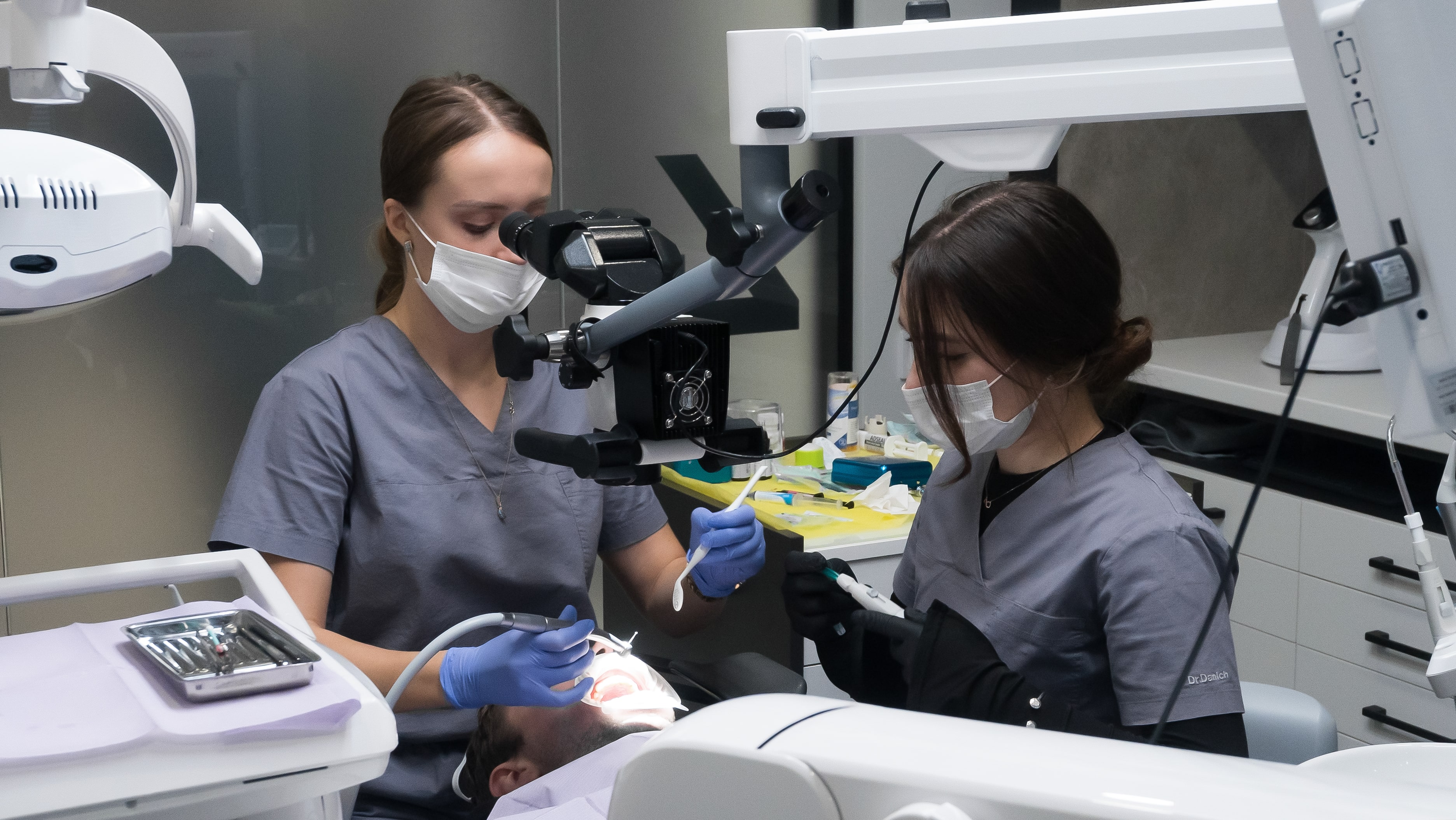
Пломбування зубів від А до Я
Часто пацієнти не хочуть або бояться йти до стоматолога, тим паче якщо нічого не турбує - але така проблема як карієс є підступною, і може ніяк не турбувати людину аж поки не призведе до неприємних наслідків. Найчастіше - до пошкодження глибинних тканин зуба та утворення порожнин, які необхідно пломбувати.
Що таке пломбування зубів?
Пломбування зубів - це процедура в стоматології, яка включає в себе видалення пошкодженої частини зуба і заповнення отриманої порожнини стоматологічним матеріалом, щоб відновити його функцію, міцність і зовнішній вигляд.
Чому слід пломбувати зуби?
Процедура пломбування зубів дозволяє відновити пошкоджені тканини та функціональність зубного ряду, зупинити подальший розвиток карієсу та запобігти потраплянню бактерій в середину зуба, що може призвести до тяжких інфекційних уражень і запалення. Крім того, правильно запломбований зуб має природній і здоровий вигляд, що значно впливає на естетичність посмішки в цілому.
Якщо не лікувати пошкоджені чи уражені зуби, це може призвести до подальших ускладнень, таких як глибокий карієс, втрата зуба, або інфекції. Іноді важливо провести пломбування навіть у випадку невеликого карієсу, щоб запобігти його подальшому розвитку.
Діагностика лікування зубів
Діагностика лікування зубів є ключовою частиною стоматологічного процесу, оскільки вона дозволяє ідентифікувати проблеми та визначити оптимальний план лікування.
Показання для пломбування зуба та протипоказання до лікування
Як і будь-яка процедура, пломбування зубів має ряд причин для проведення - простіше кажучи показань, за умови наявності яких стоматолог порекомендує вам дану процедуру. Для цього потрібно пройти первинний огляд та консультацію у вашого лікаря, аби він виявив чи немає перешкод для проведення пломбування.
Показання для пломбування зуба
Основними показаннями до пломбування є:
-
Карієс
Одним з основних показань для пломбування зуба є наявність карієсу, коли зубна тканина пошкоджена бактеріями та кислотами, що веде до утворення порожнини.
-
Травма
Пошкодження зуба в результаті травми (наприклад, від удару або падіння).
-
Дефекти емалі
Якщо емаль зуба має дефекти, такі як тріщини або відколи, пломбування може бути використано для їх відновлення.
-
Зміни форми зуб
Пломбування може також використовуватися для корекції невеликих аномалій форми зубів.
Протипоказання для пломбування зубів
Перешкодити пломбуванню можуть такі фактори як:
-
Великі пошкодження зуба
Якщо зуб має значні пошкодження, відколи або інші серйозні проблеми, пломбування може виявитися недостатньо ефективним методом відновлення.
-
Важка пародонтальна хвороба
У випадках серйозної пародонтальної хвороби, яка впливає на підтримуючі структури зуба (ясна, кістки), може знадобитися інше лікування або навіть видалення зуба.
-
Асоційовані інфекції або захворювання
В такому разі лікар може вирішити відкласти пломбування до усунення основної причини.
-
Виражені порушення прикусу
У випадках важких аномалій прикусу пломбування може бути недостатньо, і може знадобитися ортодонтичне лікування.
Етапи пломбування зуба
Основні етапи пломбування зубів зазвичай включають в себе:
-
Видалення пошкодженої частини зуба
Стоматолог видаляє пошкоджений або порожнистий матеріал зуба, який може виникнути внаслідок карієсу або травми.
-
Очищення порожнини
Стоматолог очищає порожнину від залишків пошкодженого матеріалу і бактерій, щоб підготувати її для заповнення.
-
Заповнення порожнини
Після очищення стоматолог заповнює порожнину особливим стоматологічним матеріалом, зазвичай композитом (пластиковим матеріалом).
-
Формування і полірування
Після заповнення стоматолог формує і полірує пломбу так, щоб вона виглядала як природна частина зуба і мала оптимальну форму для жування.
Цей процес допомагає відновити пошкоджений зуб і запобігти подальшому розвитку карієсу або інших проблем зі здоров'ям зубів.
Анестезія до пломбування зуба
Анестезія використовується у стоматології для забезпечення відсутності болю під час проведення різних стоматологічних процедур, включаючи пломбування зубів. Зазвичай для пломбування зубів використовується місцева анестезія, але її вид (ін’єкція, гель або спрей) обирає стоматолог в залежності від складності випадку.
Перед застосуванням анестезії стоматолог обов’язково має поспілкуватися з пацієнтом на предмет його алергічних реакцій на анестетики, аби уникнути неприємних наслідків.
Підготовка зуба до пломбування
До процедури пацієнту необхідно лише дотримуватися загальних заходів гігієни - ретельно чистити зуби, використовувати зубну нитку та іригатор.
Огляд у стоматолога ті діагностика є базовими етапами для підготовки до пломбування зубів. Під час процедури стоматолог підготує зуб - очистить порожнину від залишків карієсу, визначить її форму та розмір.
Заповнення порожнини зуба матеріалом для пломбування
Після попередніх етапів лікар перейде до заповнення порожнини зуба: для цього він обере пломбувальний матеріал, що відповідає потребам пацієнта та характеристикам зубної порожнини, і заповнить її пломбою.
Коригування форми зуба після пломбування
Встановлена пломба потребує коригування для якомога більш комфортного носіння - тому лікар формує її імітуючи природню поверхню зуба та полірує для забезпечення правильного прикусу та естетичного виду.
На що звертати увагу після пломбування зуба
Після процедури ви можете відчувати легкий дискомфорт в місці ін’єкції анестезії, але якщо ви помічаєте сильний біль, чутливість за кілька днів після процедури, дискомфорт при прикушуванні - це привід звернутися до лікаря.
Також рекомендується дотримуватися правил гігієни рота та регулярно проходити огляд у стоматолога, аби переконатися в ефективності лікування.