Вініри - все що потрібно знати
 Даніч Михайло Ігорович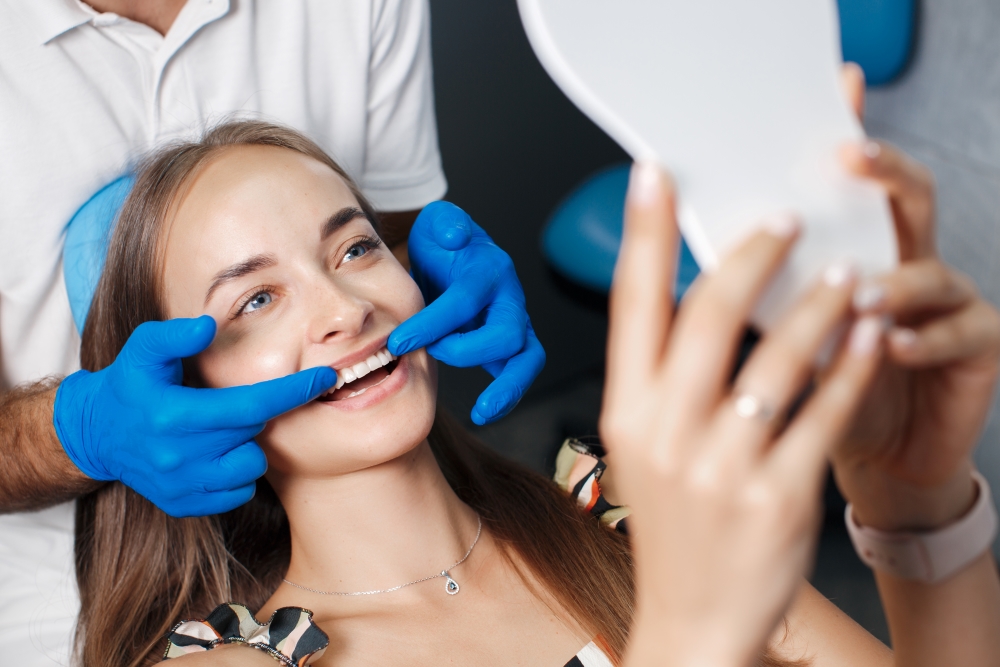
Вініри стали справжнім відкриттям у світі косметичної стоматології останніх років, швидко завоювали любов прихильників голлівудської посмішки та ще й досі не втрачають популярності. Розберімося, що ж таке вініри, і які переваги та недоліки їм властиві.
Що таке вініри?
Вініри - це тонкі пластинки, зазвичай виготовлені з кераміки або композитного матеріалу, які накладаються на передню поверхню зубів. Вони призначені для поліпшення зовнішнього вигляду зубів, приховання дефектів і надання їм більш привабливого вигляду.
Вініри виготовляються індивідуально під конкретного пацієнта і кріпляться на зуби за допомогою спеціального клею. Вони дуже тонкі, але міцні та мають природний вигляд, що дозволяє досягти ідеальної посмішки без значних стоматологічних процедур.
Як ставлять вініри на зуби?
Процедура встановлення вінірів на зуби є малоінвазивною та дозволяє швидко і відносно легко покращити зовнішній вигляд посмішки. Все починається з консультації зі стоматологом, який докладно розповість вам все що цікавить і нарешті відповість на запитання “як ставлять вініри?”. Ви обговорюєте всі деталі та побажання відносно результату, після чого проводиться підбір вінірів та знімання відбитків для їх індивідуального виготовлення. Коли вініри готові - їх закріплюють на природних зубах за допомогою стоматологічного клею та фіксують спеціальним світлом. Порівняно з іншими стоматологічними процедурами цей процес займає відносно мало часу і надає можливість насолоджуватися відмінним результатом відразу після завершення.
Показання до встановлення вінірів на зуби
Встановлення вінірів - естетична процедура, яка зазвичай проводиться за власним бажанням пацієнта, втім існують кілька випадків, коли лікар може запропонувати її самостійно, задля збереження гарної та природної посмішки:
- деформовані зуби (нерівності зубного ряду, неправильна форма зубів)
- міжзубні проміжки
- пошкодження емалі (незначні відколи)
- зміна кольору емалі (забарвлення та плями на зубах, з якими не можна впоратися за допомогою професійної чистки)
Протипоказання до встановлення вінірів на зуби
Якщо ви вже вирішили що хочете встановити собі вініри - саме час запитати себе “чи можна мені ставити вініри?”, адже існує цілий перелік вагомих протипоказань до цієї процедури:
- значна втрата зубів (вініри не будуть ефективними для відновлення прикусу при відсутності великої кількості зубів)
- поширений карієс та хвороби ясен (перед встановленням вінірів потрібно забезпечити загальне здоров’я ротової порожнини)
- стирання зубів другого рівня або вище
- бруксизм (мимовільне скреготання зубами)
- неправильний прикус
Навіть показання до встановлення вінірів в занедбаному стані можуть стати протипоказаннями, тому слідкувати за здоров’ям ротової порожнини потрібно в будь-якому випадку)
Види вінірів
На сьогодні існує декілька видів вінірів, які відрізняються за матеріалами, фізичними характеристиками (товщина, світлопроникність), методами виготовлення (терапевтичні “прямі” та ортопедичні “непрямі” вініри), доступністю та вартістю. Розберімо відмінності та особливості двох основних типів вінірів - композитних та керамічних.
Композитні вініри
Такі вініри створені з композитних смол та наповнювачів, що надає їм стійкість та природній вигляд. Вони можуть бути надзвичайно тонкими (що дозволяє зберегти значну частину зуба), ідеально підходять для корекції незначних дефектів (відколи, забарвлення). Композитні вініри бувають прямі та клінічні в залежності від способу виготовлення. Прямі вініри формуються безпосередньо на зубі в стоматологічному кабінеті. Клінічні вініри виготовлені в стоматологічному лабораторії за допомогою відбитків зубів пацієнта. Це складніший процес, який включає виготовлення вінірів на спеціальних моделях зубів. Обираючи між цими типами стоматолог рекомендує той метод, який найкраще відповідає вашим потребам та стану зубів.
В цілому композитні вініри є більш доступними за ціною, але менш стійкими до зносу порівняно з керамічними та можуть вимагати регулярної корекції/заміни кожні кілька років.
Керамічні вініри
Завдяки виготовленню з кераміки такі вініри є більш природними на вигляд, мають натуральний колір та блиск і є максимально схожими на природні зуби. Виготовляються дуже тонкими і зберігають значну частину зуба, відмінно переносять навантаження, не вигоряють і не жовкнуть з часом, що забезпечує тривалий та стійкий результат. Керамічні вініри бувають порцелянові (стійкі та натуральні на вид), склокерамічні (прозорі, естетичні та міцні) та виготовлені з діоксиду цирконію (максимально міцні, витримують великі навантаження).
В цілому керамічні вініри естетичніші, але можуть бути дорожчі за композитні.
Плюси та мінуси вінірів
Як керамічні так і композитні вініри мають свої переваги та недоліки.
Основні плюси вінірів
- Відмінна естетика (зуби набувають природного та здорового вигляду)
- Мінімальна втрата зубної тканини (встановлення вінірів вимагає меншої втрати природного зубу порівняно з коронками)
- Довговічність (служать кілька років або більше за умови правильного догляду)
- Широкий спектр використання (розв'язують різні незначні проблеми естетики)
- Швидкий результат (встановлюються в середньому за два візити, результат видно відразу)
Основні мінуси вінірів
- Висока вартість
- Не можна встановити при серйозних пошкодженнях зубів
- Вразливі до механічних пошкоджень, можуть розламатися або відклеїтися
- Вимагають постійного догляду
- Заборонено вживати жорстку їжу або напої що можуть пошкодити матеріали
Чим замінити вініри?
Якщо ви бажаєте відновити красу посмішки без істотної втрати зубної тканини - варто зупинитися на такій конструкції як люмініри. За принципом дії вони майже такі ж як вініри - основною функцією люмінірів є відновлення естетичності зубного ряду, проте є і певні відмінності. Товщина вінірів зазвичай 2-3 мм, в той час, як люмінірів - до 2х мм, при цьому вони не поступаються першим в міцності. Завдяки надзвичайній тонкості люмініри майже не вимагають спилювання зубної тканини для встановлення. Вони також є прозорішими і більш блискучими за вініри, тому можуть мати менш натуральний вигляд і створювати ефект білосніжної “голлівудської” посмішки. Численні переваги люмінірів обумовлюють їх високу вартість.
Строк служби та правильний догляд за вінірами
Щоб зберегти вініри функціональними якомога довше рекомендується дотримуватися щоденної гігієни (чистка зубів, зубна нитка), уникати травматичних ситуацій (жорстка їжа, скрегіт зубами), регулярно відвідувати стоматолога та проходити професійну чистку.
За умови правильного догляду за вінірами і виконання всіх рекомендацій стоматолога, вони можуть служити довгий час (в середньому 10-20 років), надаючи вам прекрасний і стійкий результат. Однак важливо регулярно відвідувати стоматолога для оцінки стану вінірів та їхнього функціоналу.