Імплантація за методикою All-on-6: у яких випадках обирають 6 імплантів замість 4
 Даніч Михайло Ігорович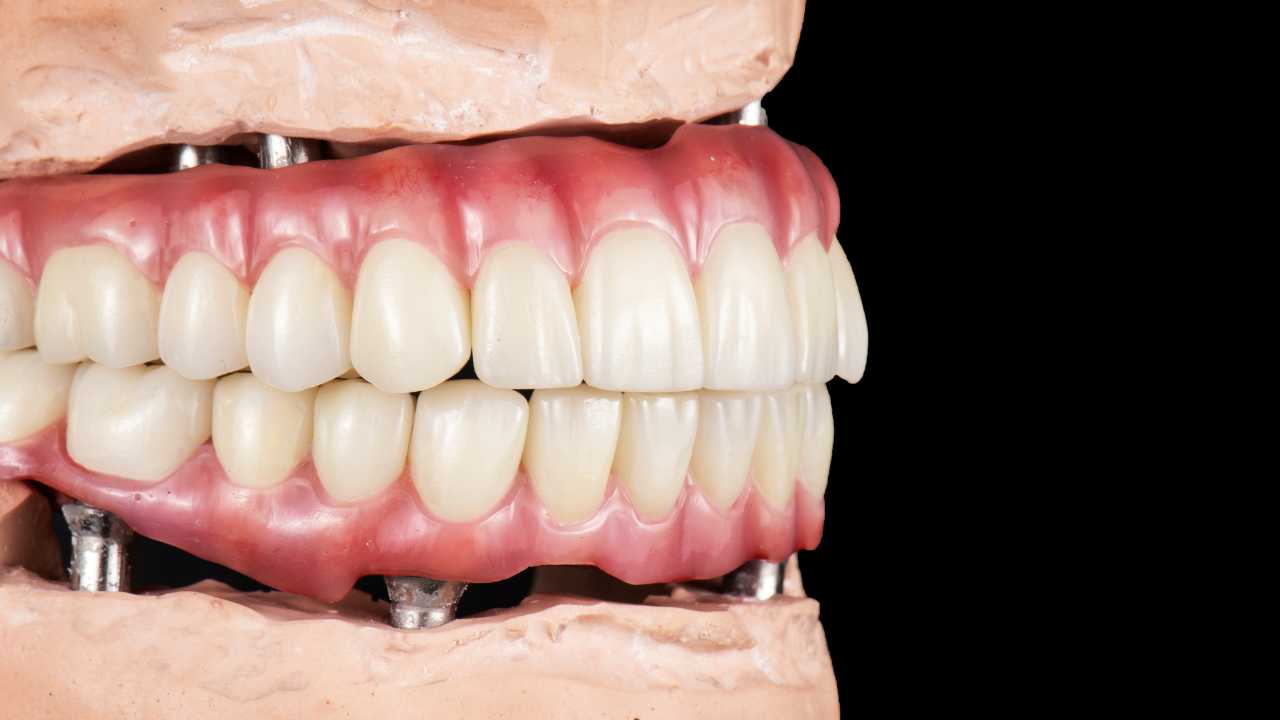
«А чому не чотири?» — це питання звучить майже в кожному кабінеті, де говорять про повне відновлення зубів. І майже завжди воно поставлене неправильно. Бо справа не в тому, скільки імплантів можна встановити, а в тому, скільки з них повинні реально працювати, коли ви жуєте, стискаєте зуби або просто звикаєте до нової конструкції.
Статистика виглядає заспокійливо: повнощелепні імплантаційні протоколи демонструють 90–99% приживлення імплантів у клінічних спостереженнях. Але ці цифри не описують відчуття конкретної людини — комфорт, стабільність, поведінку протеза в реальному житті. І тим більше не пояснюють, чому одна й та сама схема може роками працювати в одного пацієнта й вимагати корекцій в іншого.
Саме тут кількість опор перестає бути формальністю. Для когось чотирьох імплантів достатньо. Для когось — це межа, за якою починаються перевантаження, компроміси й обмеження. І тоді шість імплантів — це не «перестрахуватися», а спосіб краще керувати навантаженням і тим, як конструкція поводитиметься з часом.
Далі розберемо, що таке All-on-6, у яких випадках лікар свідомо відходить від схеми з чотирма опорами і чому вирішальну роль у цьому виборі відіграє діагностика, а не універсальні протоколи.
Що таке All-on-6 і яку задачу вона вирішує
Якщо відкинути маркетингові назви, All-on-6 — це фіксований протез, що тримається на шести імплантах. Не «нові зуби за один день» і не універсальна формула, а інженерна конструкція з чітким завданням: створити стабільну опору для повного зубного ряду там, де власних зубів уже немає або вони не підлягають збереженню.
Шість імплантів у цьому протоколі виконують роль несучих елементів. Вони розміщуються так, щоб протез не «висів» на окремих точках, а працював як система. Це важливо не лише для жування, а й для прогнозу — тобто для розуміння того, як конструкція поводитиметься через кілька років активного використання.
Повнощелепна імплантація загалом розглядається, коли:
-
зуби втрачені повністю або майже повністю;
-
наявні зуби мають несприятливий прогноз і потребують видалення;
-
людина більше не хоче залежати від знімних конструкцій і пов’язаних із ними обмежень.
У таких ситуаціях питання вже не в тому, чи ставити імпланти, а в тому, як організувати опору для всього зубного ряду, щоб він працював стабільно — без постійних компромісів.
Принципова відмінність All-on-6 від знімних протезів — у функції. Знімний протез тримається за рахунок слизової та тиску, а отже неминуче зміщується, передає навантаження не туди, де воно фізіологічно закладене, і з часом посилює атрофію кістки. Фіксований протез на імплантах працює інакше: навантаження передається в кістку через імпланти, а сама конструкція не потребує щоденного зняття чи постійного «підлаштування» під рухи.
Саме цю задачу й вирішує All-on-6: дати повному зубному ряду стабільну, контрольовану опору, з якою можна жити щодня — без постійного контролю, чи не зсунеться протез під час розмови або їжі.
Чому іноді обирають 6 імплантів замість 4
Питання «чому не чотири?» зазвичай виникає з логіки мінімального втручання. Менше імплантів — менше хірургічних кроків, простіша схема. І в багатьох випадках цього справді достатньо. Але інколи така логіка починає працювати проти самої конструкції.
Усе впирається в навантаження. Не абстрактне «жувальне», а дуже конкретне: як часто, з якою силою і в яких зонах щелепи воно виникає. Чотири імпланти беруть на себе всю роботу повного зубного ряду. Якщо навантаження рівномірне і анатомія дозволяє — система справляється. Якщо ні, кожна опора починає працювати на межі.
Шість імплантів змінюють цю логіку без складних розрахунків. Навантаження розподіляється між більшою кількістю точок, а отже:
-
зменшується тиск на кожен окремий імплант;
-
з’являється більше свободи для проєктування протеза;
-
система стає менш чутливою до асиметрій прикусу або звичок жування.
Найпростіша аналогія — міст. Його можна звести на чотирьох опорах, і він стоятиме. Але якщо по ньому постійно рухається важкий транспорт або є нерівномірний тиск з одного боку, додаткові опори перестають бути «зайвими». Вони роблять міст стабільнішим у реальних умовах експлуатації.
Те саме відбувається і з фіксованим протезом. Більша площа опори — це не про «запас міцності», а про можливість краще контролювати, як конструкція працює щодня, а не лише на контрольному знімку. Саме тому в частині клінічних ситуацій шість імплантів — не альтернатива, а логічне продовження плану лікування.
Показання до All-on-6
-
Високе жувальне навантаження або виражене стирання зубів у минулому. Коли щелепа звикла працювати «на силу», чотирьох опор може бути замало для стабільної роботи протеза в довгостроковій перспективі.
-
Потреба у кращій стабілізації фіксованого протеза. У ситуаціях, де важливо мінімізувати мікрорухи конструкції під час жування або стискання зубів.
-
Особливості кістки та анатомії. Наприклад, коли доступний об’єм кістки розподілений нерівномірно й потребує більш гнучкого розміщення опор.
-
Нерівномірний розподіл навантаження через прикус або м’язову роботу. Асиметрія, звички жувати однією стороною, підвищена активність жувальних м’язів — усе це впливає на вибір кількості імплантів.
-
Потреба у більш прогнозованому результаті на тривалу перспективу. Не як обіцянка «назавжди», а як спроба зменшити ризик перевантаження системи з часом.
Коли All-on-4 може бути достатнім
Варто одразу зняти напругу: так, існують клінічні ситуації, де чотирьох імплантів достатньо. І цього не потрібно соромитися чи виправдовувати. Якщо об’єм кістки збережений, прикус відносно стабільний, а очікуване жувальне навантаження не виходить за межі фізіологічного, система з чотирма опорами може працювати коректно й передбачувано.
У таких випадках All-on-4 дозволяє вирішити основну задачу повнощелепної імплантації — відновити фіксований зубний ряд — без ускладнення плану лікування. Але ключове слово тут не «чотири», а умови, за яких ці чотири опори беруть на себе навантаження без перевантаження.
Саме тому вибір між різними протоколами не починається з цифр. Він починається з діагностики: оцінки кістки, прикусу, м’язової роботи, звичок жування. У когось ці фактори складаються в просту схему. В іншого — вимагають більшої кількості опор для стабільної роботи конструкції.
Підбір протоколу завжди індивідуальний, і імплантація за методикою all on 6 може бути рекомендована тоді, коли потрібна додаткова стабільність і контроль навантаження. Не як «покращена версія», а як відповідь на конкретні клінічні умови.
Як приймають рішення: роль діагностики та планування
Рішення про кількість імплантів не ухвалюють «з досвіду» чи за типовим сценарієм. Воно починається з діагностики. Комп’ютерна томографія дає тривимірну картину кістки: де її об’єм достатній, де вже є атрофія, які анатомічні структури потрібно обійти. Без цього будь-яка розмова про 4 або 6 імплантів залишається теоретичною.
Далі оцінюють прикус і те, як саме працює щелепа. Це не завжди очевидно з першого погляду. Хтось жує рівномірно, хтось — переважно однією стороною. У частини пацієнтів є бруксизм або звичка сильно стискати зуби — фактор, який суттєво змінює картину навантаження, навіть якщо кістка виглядає «достатньою» на знімку.
Саме тому кількість імплантів — не головний параметр. Важливіше, де саме вони розташовані і як ця схема працює разом із майбутнім протезом. Чотири імпланти, встановлені в правильних зонах, можуть працювати стабільніше, ніж шість, розміщених без урахування напрямків навантаження. І навпаки: додаткові опори мають сенс лише тоді, коли вони включені в загальну логіку конструкції.
План лікування — це не формальність і не перелік етапів. Це спроба спрогнозувати, як система «імпланти + протез» поводитиметься не лише одразу після встановлення, а й через кілька років активного використання. Саме на цьому етапі стає зрозуміло, скільки опор потрібно, де вони мають стояти і який рівень стабільності можна очікувати без компромісів.
Етапи лікування: що очікувати пацієнту
Повнощелепна імплантація — це не один візит і не один етап. Процес складається з кількох логічних кроків, кожен з яких впливає на стабільність і прогноз результату. Послідовність може змінюватися залежно від клінічного випадку, але загальна структура залишається подібною.
Підготовка та обстеження
Лікування починається з консультації та діагностики. Проводять огляд, аналізують комп’ютерну томографію, оцінюють стан кістки, прикусу та м’яких тканин. На цьому етапі формується план лікування: визначають кількість імплантів, їх розміщення та тип майбутнього протеза.
Саме тут відсіюються універсальні рішення. Якщо схема не працює з урахуванням анатомії та навантаження, її коригують ще до хірургічного втручання.
Хірургічний етап
Під час хірургічного етапу імпланти встановлюють у заздалегідь заплановані позиції. Кількість і розташування визначаються попереднім плануванням, а не «по ходу операції». Для пацієнта це ключовий момент, але з точки зору прогнозу він є лише частиною загальної системи.
Подальший перебіг лікування залежить від стабільності імплантів і загального стану тканин, тому сценарій завжди адаптують під конкретну ситуацію.
Тимчасовий протез і адаптація
У частині випадків після встановлення імплантів використовують тимчасовий протез. Він дозволяє не залишатися без зубів і поступово адаптуватися до нової конструкції. На цьому етапі змінюється не лише жування, а й м’язова робота, дикція, відчуття прикусу.
Адаптація — нормальний процес. Протез може здаватися «іншим», і саме для цього існує проміжний етап, який дає змогу відкоригувати деталі без тиску на остаточний результат.
Постійний протез і контроль
Після стабілізації імплантів виготовляють постійний фіксований протез. Його проєктують з урахуванням досвіду адаптації, навантаження та індивідуальних особливостей пацієнта.
Далі починається етап контролю: планові огляди, професійна гігієна, оцінка стану тканин і роботи конструкції. Це не «після лікування», а частина довготривалої стратегії, без якої повнощелепне протезування втрачає сенс.
Обмеження та нюанси, які важливо знати
У повнощелепній імплантації не існує протоколу, який однаково добре працює для всіх. Це не недолік методу, а реальність живої анатомії. Дві щелепи ніколи не бувають ідентичними, так само як не буває однакових прикусів, м’язової активності чи звичок жування.
Обмеження можуть стосуватися стану кістки — її об’єму, щільності та рівномірності. В одних випадках наявного ресурсу достатньо для стабільної роботи конструкції, в інших потрібні додаткові рішення або корекція плану лікування. Це не означає «можна» або «не можна». Це означає, що схему підбирають під конкретні умови.
Важливу роль відіграє загальний стан здоров’я. Хронічні захворювання, прийом певних препаратів, особливості загоєння тканин — усі ці фактори враховуються ще на етапі планування. Вони не завжди є протипоказами, але можуть впливати на темп лікування та подальший контроль.
Окремий аспект — гігієна та звички. Фіксований протез не знімається, а отже вимагає регулярного догляду й усвідомленого ставлення. Куріння, нехтування гігієною або постійне перевантаження конструкції не знецінюють метод, але напряму впливають на прогноз.
Саме тому обмеження в повнощелепній імплантації — це не список заборон, а набір умов, які потрібно врахувати, щоб система працювала стабільно й без непотрібних компромісів.
Висновок
Питання «чотири чи шість» не має універсальної відповіді. У повнощелепній імплантації це не про краще або гірше, а про показання, навантаження та прогноз роботи конструкції в конкретній клінічній ситуації. Для одних пацієнтів чотирьох опор достатньо, для інших шість стають необхідною умовою стабільності.
Ключове рішення формується не з назви протоколу, а з результатів діагностики, аналізу кістки, прикусу та індивідуальних особливостей жування. Саме планування визначає, як система працюватиме не лише одразу після лікування, а й у довшій перспективі.
Щоб зрозуміти, який протокол буде оптимальним саме у вашому випадку, варто почати з консультації та детальної діагностики.