Dental Implants Without Pain: What a Patient Really Feels During the Procedure
 Danich Michael Igorovich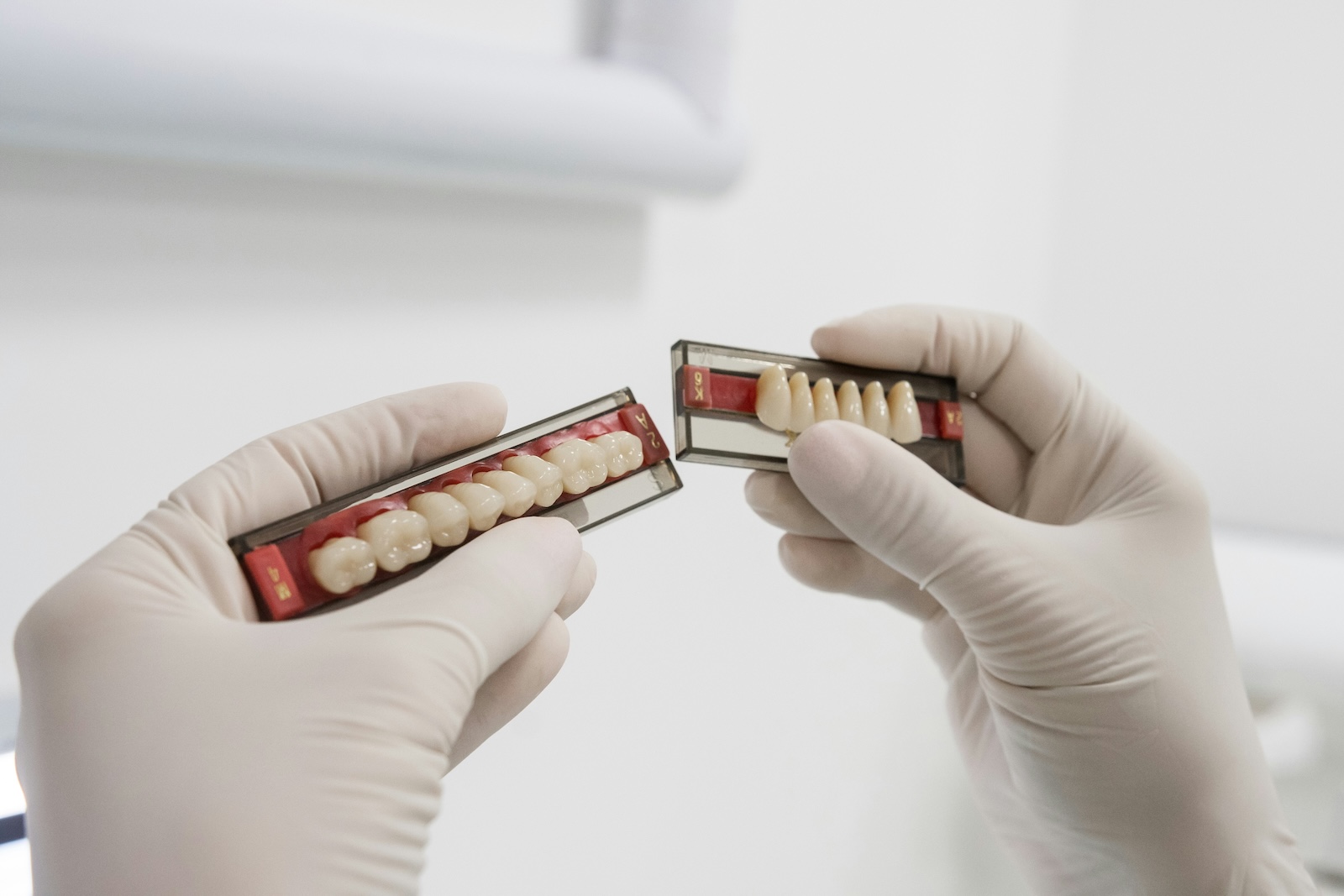
The fear of the dentist is familiar to most of us. Sitting in the waiting room, it’s not unusual to hear someone say, “I’m just afraid of dentists; it’s stronger than me.” And this is no exaggeration.
Research shows that more than half of people worldwide feel anxious before visiting the dentist. In the UK, for example, 52% of respondents admit they are afraid of the dentist, and among young people aged 18–24, this figure reaches 63%. The biggest fear is pain (48% of patients), followed by fear of drilling (41%), the high cost of treatment (37%), and injections (31%).
The reasons are clear: some had painful procedures as children, others heard “scary stories” from friends, and many are simply afraid of losing control in the dentist’s chair. Women are more likely to report anxiety (56% compared to 47% of men), and even culture and media — with their caricatured images of dentists — reinforce this fear.
But here’s the key detail: avoiding visits out of fear only makes the situation worse. Problems do not fix themselves, and instead of a small filling, a person may later need more serious treatment. So the real question is: is dental implantation truly painful, or is it a myth that modern dentistry has already debunked?
What Is Dental Implantation and Why Does It Scare People?
Dental implantation is a procedure in which a titanium implant is placed into the jawbone, acting as the “root” of a future tooth. A crown is then fixed on top, which looks and functions just like a natural tooth. It sounds technical — and that’s why many people feel anxious.
The most common fears patients have are:
-
“It’s surgery, so it will hurt.”
-
“I’ll have a long recovery and won’t be able to chew properly.”
-
“What if complications arise or the implant doesn’t integrate?”
-
“Won’t this be too traumatic for my body?”
These concerns are understandable, since many people’s views on dentistry are shaped by outdated methods or childhood memories of drilling without anesthesia. But modern implantation is completely different.
Today, dentists use 3D diagnostics, computer modeling, and modern anesthesia methods that leave no chance for pain. Patients are under reliable anesthesia and may feel only slight pressure, without the sharp pain everyone dreads.
What used to feel like “major surgery” 20–30 years ago is now a comfortable, predictable procedure you can undergo even on a workday without disrupting your normal routine.
How Dental Implantation Happens: Step by Step and Without Myths
Many people imagine implantation as a complex operation with dozens of painful stages. In reality, it’s clear, consistent, and much simpler than it seems. Here’s the patient’s journey, from the first consultation to a finished tooth.
1. Consultation and Planning
The first step isn’t a scalpel or an implant; it’s a conversation. The dentist listens to your concerns, runs tests, takes 3D scans, and creates an individual plan. This is the moment when you get answers to all your questions and start feeling in control.
2. Anesthesia During Implantation
The biggest fear patients have is pain. But this is where modern dentistry shows its progress. The dentist chooses the method of anesthesia best for you: classic local anesthesia, a computer-controlled system, or sedation. Thanks to this, the procedure goes smoothly and without discomfort.
3. Placement of the Implant
When the plan is ready and the area is numb, it’s time for the main stage. Placing the implant takes only 20–40 minutes. The patient hears the sound of instruments but doesn’t feel pain. Many people are surprised afterward at how quickly it was done.
4. Postoperative Period
After the procedure, recovery begins. It’s not weeks of painful suffering, as some imagine, but just a few days of mild discomfort that’s easily relieved with standard painkillers. The key is to follow the dentist’s recommendations.
5. Temporary and Permanent Crown
Aesthetics are as important as function. That’s why, in many cases, dentists place a temporary crown immediately. This means you don’t go without a tooth while the implant is integrating. After a few months, a permanent crown is placed, strong and natural-looking.
What Sensations Arise During and After Implantation
“Does it hurt to get an implant?” is one of the most popular questions on Google. And the answer always surprises: no, it doesn’t hurt. The sensations during and after surgery are much milder than most people expect.
-
On the Day of Surgery Without Pain
Thanks to modern anesthesia methods, patients don’t feel pain during implant placement. The only things you may notice are slight pressure or the sound of instruments.
-
After the Procedure: Mild Sensitivity Possible
When the anesthesia wears off, there may be some swelling or sensitivity in the implant area. Usually, it’s enough to take a standard painkiller, and the discomfort quickly disappears. These are normal postoperative sensations.
-
Compared to Tooth Extraction or Root Canal Treatment
Patients often say that implantation is easier than having a tooth extracted or undergoing root canal treatment. In other words, the “scariest” procedure often turns out to be more comfortable than treatments most people have already experienced.
5 Facts About Modern Implantation That Reduce Anxiety
To dispel any remaining doubts, it’s worth looking at the plain facts and figures. They show that dental implantation today is a predictable and controlled procedure, with nothing in common with the frightening ideas of the past.
-
Everything is done under anesthesia, which means the patient feels no pain.
-
The procedure takes 20–40 minutes, and often even less.
-
Modern techniques reduce trauma: only minimal incisions are made, which allows for faster healing.
-
Postoperative pain is controlled and easily relieved with common medications.
-
Recovery is faster than most expect: patients return to their normal routine within just a few days.
When Discomfort May Occur, and How Dentists Manage It
Even with the most advanced medicine, there are no procedures “without any sensation.” But it’s important to understand: discomfort after safe implantation is not something you must endure. It’s a controlled state the dentist predicts and manages.
When Complications Are Possible
-
If the bone isn’t dense enough, bone grafting is needed.
-
If the patient doesn’t follow postoperative recommendations.
-
In rare cases, due to individual characteristics of the body (slow healing, sensitivity to medications).
How Clinics Prevent Risks
-
Using 3D diagnostics and digital planning to anticipate challenges before surgery.
-
Selecting an individual anesthesia method: from local to sedation.
-
Providing clear postoperative instructions to minimize risks.
Why Consultation Before Implantation Is the Key to Success
The first meeting with the dentist isn’t a formality. It’s where the condition of your teeth and gums, your overall health, fears, and expectations are assessed. Thanks to this, implantation becomes not only a predictable but also a safe implantation process with minimal discomfort.
Conclusion
Dental implantation isn’t a frightening operation, but a modern procedure that combines precision, safety, and comfort. The biggest myth that it’s painful has been completely debunked by modern implantation.
Fear of the dentist is natural, but it disappears after the first visit, when you see the treatment plan, understand what you’ll feel at each stage, and trust your dentist.
Today, pain-free dental implantation isn’t just a promise. If you’ve been postponing treatment out of fear, remember: modern dentistry offers every opportunity to restore your healthy smile calmly and confidently.
Book a consultation and take the first step toward your confident smile today: dental.od.ua/en/contacts