Що таке елайнери?
 Даніч Михайло Ігорович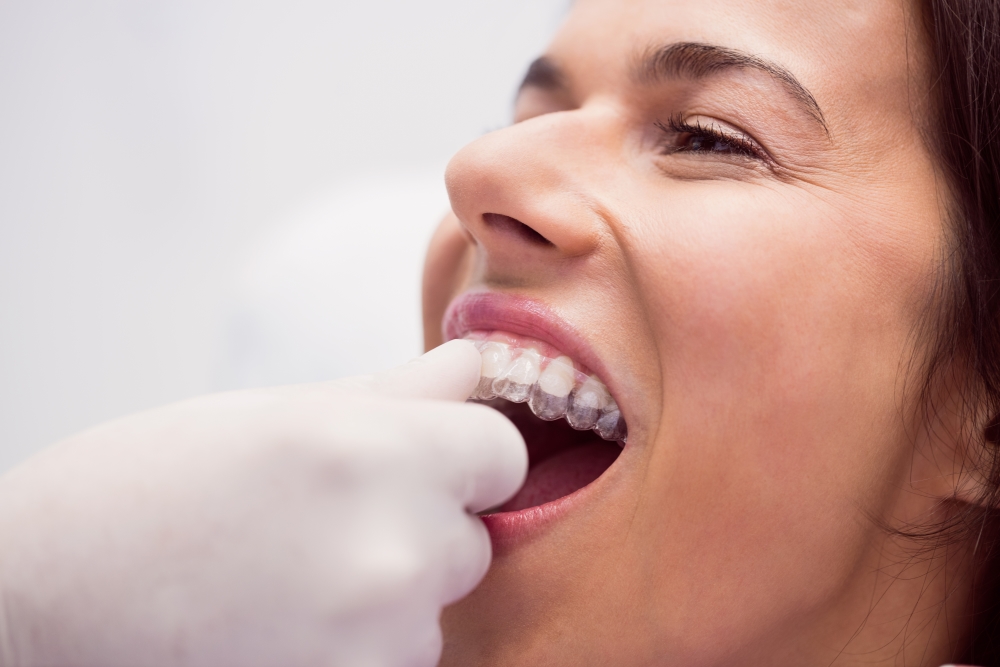
В останні роки все більш популярною процедурою на ринку послуг стають елайнери. Це й не дивно, адже елайнери - це новий іноваційний метод вирівнювання зубів, який становить дієву альтернативу брекет-системам. Елайнери являють собою тонкі прозорі пластинки, які вдягаються на зуби та поступово вирівнюють прикус.
Показання для використання елайнерів
Стоматолог може порекомендувати використання елайнерів в кількох ситуаціях:
- Неправильний прикус
- Незначні косметичні корекції зубів
- Вирівнювання після втрати зуба або при зрідженні зубної емалі
Але не зважаючи на ефективність цього методу, існують певні протипоказання, за наявності яких встановлювати брекети не можна. Зокрема це:
- Серйозні аномалії прикусу
- Проблеми з яснами
- Патології та серйозні захворювання зубів
- Неможливість дотримання режиму носіння
- Зубний камінь
Переваги та недоліки елайнерів
Як і будь-яка процедура, встановлення елайнерів має як переваги, які істотно відрізняють їх від брекетів, так і недоліки, які можуть вплинути на ваше рішення щодо їх використання.
Плюси елайнерів
Серед основних переваг цього методу лікування:
- Невидимість (ідеальне рішення, якщо ви не хочете носити брекети, які буде видно на зубах)
- Зручність в догляді (елайнери можна знімати під час прийому їжі та чищення зубів, що спрощує підтримку гігієни)
- Комфорт (конструкція виготовлена з гладкого м’якого пластику, який не заважає при носінні та не викликає подразнень)
- Програмований рух зубів (комп’ютерна програма точно програмує всі етапи вирівнювання прикусу)
Мінуси елайнерів
Найчастіше виділяють такі недоліки елайнерів як:
- Не підходять для серйозних аномалій прикусу
- Потребують відповідальності та дотримання режиму носіння
- Вимагають більш тривалого лікування ніж брекети
- Можуть бути дорожчі в порівнянні з брекетами
- Вимагають високого рівня гігієни
Тривалість лікування елайнерами
Тривалість лікування елайнерами залежить від важливих факторів, таких як складність проблеми з прикусом, ступінь корекції, дотримання пацієнтом інструкцій та режиму носіння. У середньому, лікування елайнерами може тривати від кількох місяців до двох років. Лікар-ортодонт зазвичай встановлює індивідуальний графік для кожного пацієнта, враховуючи його потреби та особливості випадку, і вже під час першої консультації лікар може надати точну оцінку тривалості лікування, враховуючи усі аспекти ситуації пацієнта.
Види та типи елайнерів
Існує кілька видів елайнерів, кожен з яких має свої характеристики та функції:
- Лінгвальні елайнери: розташовані на внутрішній стороні зубів (тобто близько до ясен), що робить їх невидимими для інших.
- Короткотермінові елайнери: використовуються для лікування невеликих або косметичних проблем прикусу, вони можуть бути виготовлені швидше, але не підходять для складних випадків.
- Багатоступінчасті елайнери: використовується кілька комплектів прозорих пластинок, які змінюються кожні кілька тижнів для поступового вирівнювання зубів.
Також елайнери відрізняються за країною виготовлення:
- Invisalign, виробництво США. Зміна капи рекомендована кожні 2 тижні. Естетичні, зручні у носінні.
- Clear Correct, виробництво США. Ці елайнери рекомендовані пацієнтам з алергічними реакціями до синтетичних матеріалів. Заміна капи рекомендована кожні 2-3 тижні.
- Grand Ortho, Туреччина
- FlexiLigner, Італія.
- Invisible All In, Італія.
Лікування елайнерами
Як будь-яка стоматологічна процедура, встановлення елайнерів відбувається в декілька етапів, і включає консультацію стоматолога, Діагностику, підбір та виготовлення конструкції індивідуально під пацієнта, коригування та контроль перебігу лікування.
Консультація спеціаліста
Консультація стоматолога щодо елайнерів - це важливий етап перед початком лікування, під час якого лікар визначає, чи підходять елайнери для вашого випадку та який тип елайнерів буде найефективнішим.
Діагностика лікування елайнерами
Діагностика лікування елайнерами може включати клінічний огляд, рентгенівські знімки, зняття відбитків прикусу, цифрове сканування та аналіз усіх даних для визначення оптимального стану лікування.
Підбір та виготовлення елайнерів
На цьому етапі визначаються потреби пацієнта відповідно до індивідуальних особливостей його прикусу, створюється план лікування, на основі якого індивідуально виготовляються елайнери.
Атачменти
Атачменти - це невеликі додаткові елементи, які використовуються з елайнерами для поліпшення контролю над рухом зубів та досягнення кращого прикусу під час коригування нерівностей. Ці атачменти прикріплюються до зубів пацієнта і слугують опорою для еластичних елайнерів, що надає їм точніше направлення та покращує ефективність лікування. Атачменти можуть мати різні форми та розміри, і вибираються стоматологом в залежності від конкретної ситуації пацієнта та потреб лікування.
Візити до лікаря та контроль лікування елайнерами
Візити до лікаря та контроль лікування елайнерами є важливою частиною процесу корекції зубів. Під час візитів лікар перевіряє, чи відбуваються очікувані зміни та чи правильно зуби переміщаються. Він може коригувати план лікування за необхідності, або встановити нові елайнери, які продовжать коригувати положення зубів відповідно до плану лікування.
Зняття атачментів та встановлення ретейнерів
Після зняття атачментів стоматолог зазвичай використовує ретейнери - спеціальні пристрої, які встановлюються після лікування елайнерами, і допомагають утримати зуби в новому положенні та запобігають їх поверненню до попереднього нерівного стану.
Навіщо встановлювати саме елайнери?
Встановлення елайнерів має ряд переваг, які роблять цей спосіб вирівнювання зубів зручним у носінні та естетичним, і вигідно виділяють його порівняно з брекетами. Втім, рішення про використання саме елайнерів, а не брекетів у кожному індивідуальному випадку має приймати саме стоматолог, взявши до уваги, звісно, всі побажання пацієнта.
Рекомендації щодо носіння та догляду за елайнерами
Важливо пам’ятати, що носіння елайнерів буде ефективним лише за дотримання кількох умов:
- Щодня чистьте елайнери м'якою зубною щіткою та милом. Уникайте використання гарячої води, оскільки вона може викликати деформацію.
- Дотримуйтеся графіку носіння задля отримання найкращих результатів.
- Зберігайте елайнери у спеціальних контейнерах, коли ви їх не носите. Це допоможе уникнути їх втрати або пошкодження.
- Періодично відвідуйте свого лікаря для перевірки стану елайнерів та виправлення будь-яких можливих проблем.
З дотриманням цих порад ви зможете забезпечити довгий та ефективний термін служби своїх елайнерів та досягти бажаного ефекту виправлення зубів.